
Strength Training for Women
Discover why strength training is transforming the lives of women across Finland and beyond. Learn about the science, benefits, and proven methods that help women build muscle, boost confidence, and achieve lasting results.
The information on this site is for educational purposes only and does not constitute medical advice. Always consult a qualified healthcare professional before making health decisions.
Why Strength Training Matters for Women
Strength training is not just about building muscle — it's about reclaiming power in your body and mind. For women, resistance exercise provides unique benefits that go far beyond the gym, from improved bone density and metabolic health to enhanced mental resilience and everyday functionality.
Many women have been conditioned to avoid heavy weights, fearing unwanted bulk or masculine appearance. The truth is radically different. Progressive strength training helps women develop lean, functional muscle; improve posture; prevent injury; and feel confident in their own bodies.
- Increases bone mineral density and reduces osteoporosis risk
- Boosts metabolism and supports long-term weight management
- Improves functional fitness for everyday activities
- Enhances mental health, mood, and self-confidence
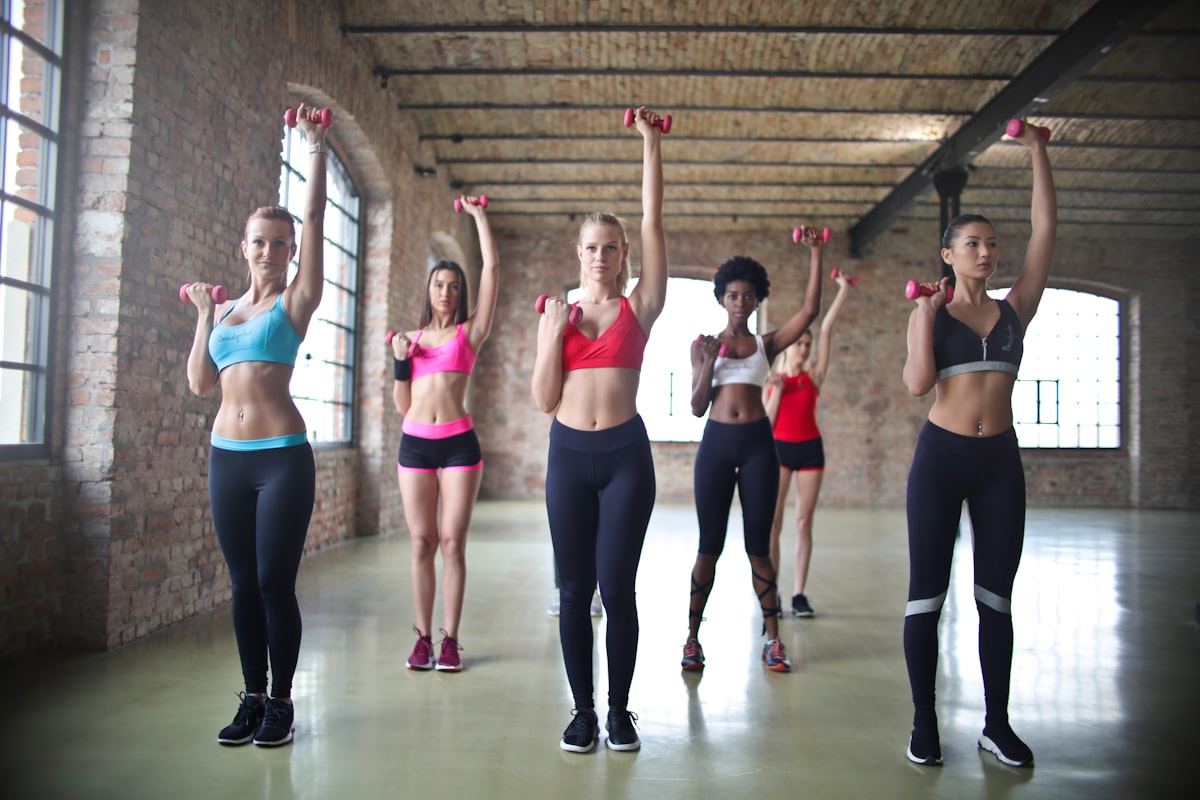
Key Benefits & Results
Strength training delivers tangible, measurable improvements across physical and mental dimensions.
Lean Muscle Development
Build functional, toned muscle that enhances your natural shape. Progressive resistance helps you develop strength without unwanted bulk, creating a lean, powerful physique aligned with your goals.
Cardiovascular & Metabolic Health
Strength training elevates heart rate, improves circulation, and boosts your resting metabolic rate. This supports healthy blood pressure, cardiovascular efficiency, and long-term metabolic balance.
Stronger Bones & Joints
Weight-bearing and resistance exercise stimulates bone remodeling, increasing density and resilience. Strong joints and connective tissue improve stability and reduce injury risk across all activities.
Mental Resilience & Mood
Exercise triggers endorphin release and promotes neuroplasticity. Women report improved mood, reduced stress, better sleep, and increased sense of personal empowerment and accomplishment.
Functional Strength for Daily Life
Improved strength makes everyday tasks easier — carrying groceries, playing with children, maintaining posture, and preventing falls. Real-world functionality enhances quality of life and independence.
Confidence & Body Image
As strength increases, so does self-image. Women develop pride in what their bodies can accomplish, shifting focus from appearance to capability and strength — a transformative psychological shift.
Your Strength Training Journey
A structured approach helps you build strength safely and sustainably. Here's how effective strength training progresses over time.
Foundation & Movement Quality
Week 1-2: Learn proper form and technique. Focus on bodyweight movements, light dumbbells, and machine exercises. Establish a consistent routine 3 days per week.
- Assess current fitness level
- Master fundamental movement patterns
- Build initial work capacity
Progressive Overload
Week 3-4: Gradually increase weight, reps, or sets. Target compound movements like squats, deadlifts, presses, and rows. Strength gains compound quickly with consistency.
- Add 5-10% more weight each week
- Increase volume and intensity
- Visible muscle definition emerges
Specialization & Results
Week 5+: Customize your program based on goals — strength, hypertrophy, or endurance. You'll notice improved posture, strength gains, and boosted confidence.
- Target weak points and imbalances
- Maintain long-term progress
- Build sustainable training habits
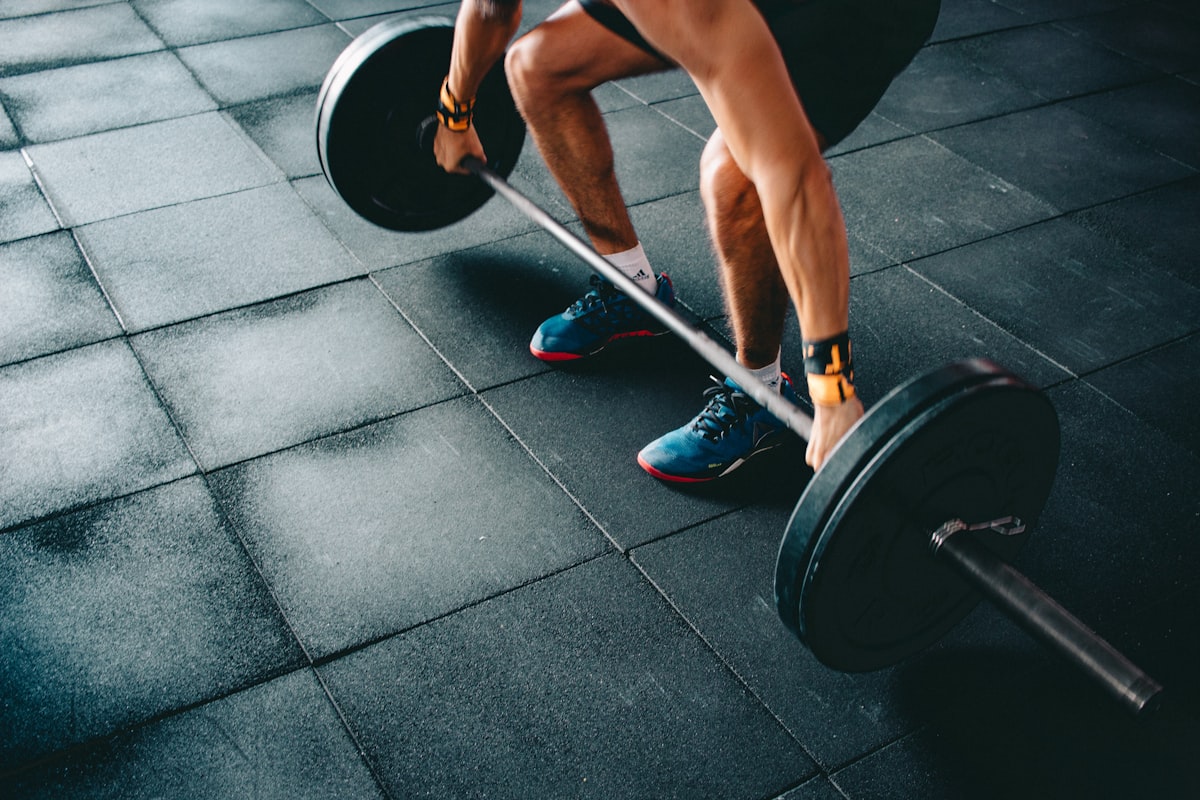
Evidence-Based Training Principles
Effective strength training for women is built on scientific principles proven to deliver results while respecting individual needs and hormonal patterns.
Progressive Overload
Gradually increasing weight, reps, or sets ensures continuous adaptation and prevents plateaus. This is the cornerstone of sustainable strength development.
Recovery & Consistency
Muscles grow during rest, not during the workout. Adequate sleep (7-9 hours) and 48 hours between intense sessions optimize recovery and hormone balance.
Compound Movements
Multi-joint exercises like squats, deadlifts, and presses activate more muscle groups, trigger greater hormonal response, and deliver superior results in less time.
Proper Form Over Heavy Weight
Controlled movements with good technique prevent injury and maximize muscle engagement. Master the fundamentals before adding heavy loads.
Myths vs. Facts: Strength Training for Women
Let's debunk common misconceptions that discourage women from embracing strength training.
Myth: Heavy lifting will make me bulky
Fact: Women naturally have lower testosterone levels, making significant bulk extremely difficult without specific training and nutrition aimed at hypertrophy. Most women who strength train develop lean, toned muscle — not bulk.
Myth: Cardio is better for weight management
Fact: Strength training increases resting metabolic rate more effectively than cardio. Muscle tissue burns calories at rest, making resistance training superior for long-term metabolic health and weight management.
Myth: Women should lift lighter weights
Fact: Women benefit from challenging, progressive resistance just as men do. Lighter weights with endless reps delivers fewer adaptations than moderate-to-heavy loads with proper form.
Myth: Strength training isn't for older women
Fact: Strength training is especially valuable for women 40+, counteracting age-related muscle loss (sarcopenia), maintaining bone density, and supporting hormonal health during perimenopause and beyond.
Myth: You need a gym membership to train
Fact: Bodyweight exercises, resistance bands, and minimal home equipment deliver excellent results. Progressive training is about challenging your muscles, not expensive facilities.
Myth: Strength training is only for athletes
Fact: Every woman benefits from strength training, regardless of athletic background. It's essential preventive health that improves quality of life, independence, and longevity.
Understanding Female Hormones & Training
Women's hormonal cycles influence energy, strength, and recovery. Understanding these patterns optimizes training results.
Follicular Phase
Days 1-13: Rising estrogen increases energy and pain tolerance. Optimal for high-intensity training, heavy lifting, and challenging new movements.
✓ Best for: Strength peaks, pushing limits
Ovulation
Days 13-15: Peak energy and strength. Confidence is highest. Perfect for testing personal records and intense sessions.
✓ Best for: Power, personal records
Luteal Phase Early
Days 16-22: Progesterone rises; metabolism increases. Energy remains good. Continue strength work with slightly longer rest periods.
✓ Best for: Moderate volume, variety
Luteal Phase Late
Days 23-28: Progesterone peaks; energy dips. Reduce volume, prioritize form, focus on technique and lighter compound lifts. Increase rest.
✓ Best for: Recovery, consistency
Getting Started: Your First Steps
Ready to begin your strength training journey? Here's a practical roadmap to get you started safely and confidently.
1. Assess Your Current Fitness
Honestly evaluate your current fitness level. Can you do a single push-up? How many squats? Can you hold a plank? This baseline helps you choose appropriate starting weights and prevents overwhelming yourself.
2. Learn Proper Form
Watch quality instructional videos or consult a trainer. Master fundamental movements — push-ups, squats, deadlifts, rows — with bodyweight or very light weights. Form prevents injury and maximizes muscle engagement.
3. Create a Realistic Schedule
Start with 3 sessions per week, 30-45 minutes each. Schedule training on non-consecutive days to allow recovery. Consistency matters more than intensity — pick times you can realistically keep.
4. Track Your Progress
Keep a simple workout log. Write down exercises, weights used, reps completed, and how you felt. Tracking lets you see progress, celebrate wins, and plan intelligent progression over weeks and months.
5. Support with Nutrition
Eat adequate protein (1.2-1.6g per kg bodyweight) to support muscle recovery. Include whole grains, healthy fats, and plenty of vegetables. Hydration is essential — drink throughout the day.
6. Prioritize Recovery & Rest
Sleep 7-9 hours nightly to allow muscle repair and hormonal balance. Include rest days in your routine and consider foam rolling or stretching to reduce soreness and improve mobility.
Success Stories from Our Community
Real women achieving real results with Womenfitnessflow
Sarah M.
Lost significant weight in 8 weeks
"Womenfitnessflow's personalized approach helped me finally achieve my fitness goals. The combination of strength training and nutrition guidance was a game-changer!"
Jessica L.
Built lean muscle & confidence
"I never thought I could build muscle as a woman. Womenfitnessflow showed me how, and the results exceeded my expectations. I feel stronger than ever!"
Emily R.
Transformed lifestyle in 12 weeks
"The supportive community and expert guidance made this journey enjoyable. I've not only reached my goals but maintained them. Highly recommend!"
Frequently Asked Questions
Get answers to common questions about women's fitness
Will strength training make me bulky?
No. Women have significantly lower testosterone levels than men, making it difficult to gain large amounts of muscle. Strength training will tone, strengthen, and shape your body without excessive bulk.
How often should I work out?
Aim for 3-5 days per week of strength training, combined with cardio or HIIT 2-3 days weekly. Always include at least one rest day per week for recovery and injury prevention.
Can I lose fat while building muscle?
Yes! With proper nutrition (adequate protein and caloric balance), strength training, and consistency, you can achieve body recomposition — losing fat while gaining muscle simultaneously.
Is it safe to train during my menstrual cycle?
Absolutely. Many women find training beneficial during their cycle. Listen to your body — you may have more energy during certain phases. Modify intensity if needed, but staying active is generally safe and healthy.
What supplements should I take?
Focus on whole foods first. Consider protein powder for convenience, creatine monohydrate for strength, and a quality multivitamin. Consult a healthcare provider before starting any supplement regimen.
Ready to Transform Your Fitness Journey?
Join thousands of women achieving their fitness goals with Womenfitnessflow. Start today and become the strongest version of yourself.
No credit card required. Start your free trial today.